

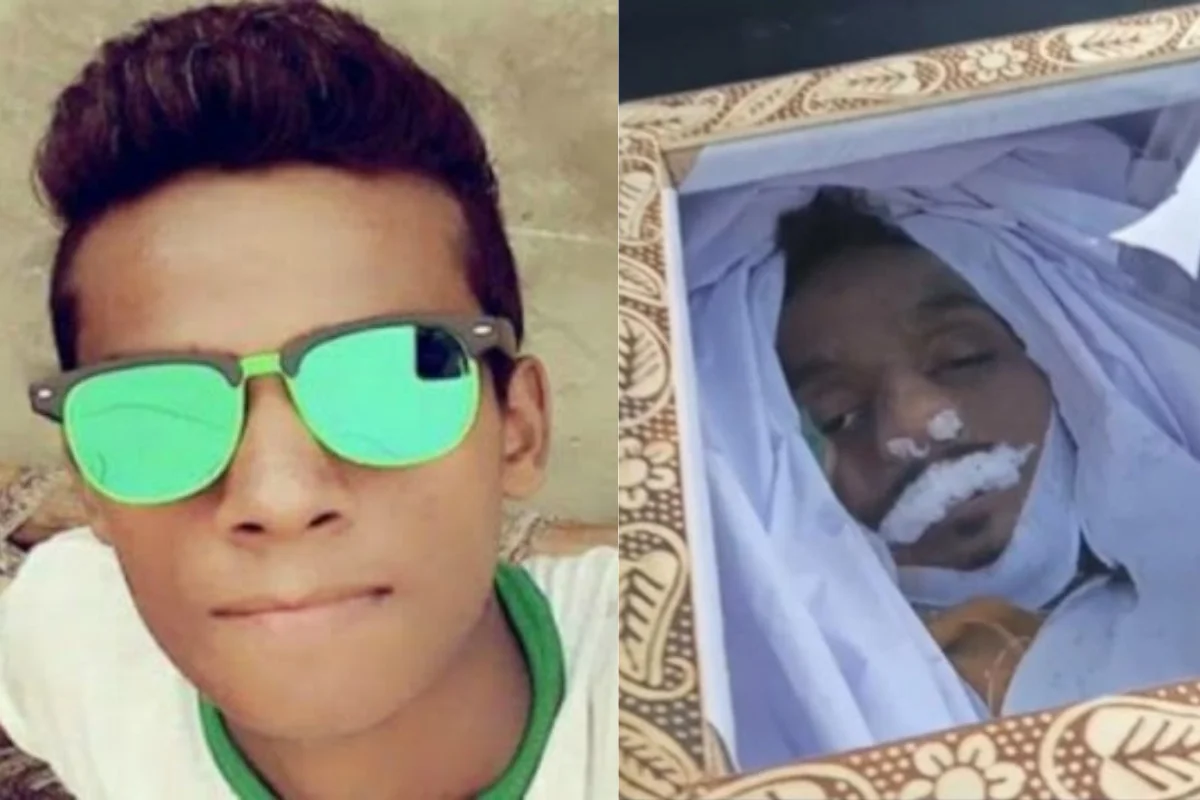
Lahore, Pakistan – Nabeel Masih, a 24-year-old Christian man who was once labeled the youngest blasphemy convict in Pakistan, has passed away. He was only 16 years old at the time of his arrest in 2016 under Section 295-A of the Pakistan Penal Code. His alleged crime was sharing an image on Facebook that was considered offensive by some.
After spending nearly four years in jail, often without access to medical treatment, Nabeel developed severe health complications. These included lipomas, Hepatitis E, and ascites, all of which worsened behind bars. Although he was released on bail in 2021, his health had deteriorated significantly. He died on July 31, 2025.
Timeline of the Case
- October 2016: Nabeel Masih, age 16, was arrested under Section 295-A PPC for allegedly posting a photo deemed disrespectful to Islamic sentiments.
- 2018: He was convicted while still a teenager, becoming the youngest person in Pakistan to be sentenced for a blasphemy offense.
- 2016 to 2020: Nabeel was imprisoned without medical treatment, despite multiple health complaints.
- 2021: He was granted bail after advocacy by international human rights groups.
- 31 July 2025: Nabeel died of health complications caused by years of medical neglect in prison.
Key Legal Issues
- Violation of Juvenile Justice
At the time of arrest, Nabeel was a minor. However, he was charged and tried as an adult. This contradicts Pakistan’s own Juvenile Justice System Act 2018, which requires special legal protections for underage defendants. - Medical Neglect in Custody
Nabeel showed signs of deteriorating health during his imprisonment. Despite visible symptoms and multiple requests, medical attention was denied. No jail authority was held accountable. - Misuse of Blasphemy Laws
Sections 295-A, 295-B, and 295-C of the Pakistan Penal Code are often used to target minorities. These laws do not require proper intent verification or forensic evidence before arrests are made. - Discrimination Against Religious Minorities
As a Christian in a predominantly Muslim society, Nabeel was vulnerable to systemic bias. His family lived in constant fear of mob attacks. There was no witness protection or support system in place.
Statement from Herschele Christopher
Herschele Christopher, human rights activist, Journalist and Assistant Vice President of the Pakistan Peoples Party USA, issued the following remarks:
“Nabeel’s death is not just the loss of one young life. It is the failure of a system that arrests first and asks questions later. If Pakistan wants to call itself just and democratic, it must protect its children, its minorities, and its vulnerable. What happened to Nabeel must never be allowed to happen again.”
Recommended Reforms to Prevent Future Tragedies
1. Juvenile Review Boards for Blasphemy Accusations
Every case involving minors under Sections 295-A, 295-B, or 295-C should be reviewed by a high court judicial panel before arrest. Law enforcement must verify intent and mental capacity through certified evaluations.
2. Mandatory Medical Oversight for Prisoners
All prisoners diagnosed with serious illness must be referred to a hospital within 72 hours. Monthly check-ups should be supervised by independent medical boards.
3. Legal Safeguards Against False Accusations
Blasphemy laws must be amended to require verified evidence and statements under oath. Anyone found filing a false accusation should be punished under a new PPC clause with a minimum sentence of seven years.
4. Fast-Track Minority Rights Courts
Dedicated benches must be established for minority-related cases. These courts should ensure legal aid, privacy, and protection from mob influence.
5. Digital Safety and Awareness Campaigns
The government should launch educational programs on safe internet use, religious boundaries, and freedom of speech. Special focus should be placed on youth in vulnerable communities.
Conclusion
The death of Nabeel Masih is a national tragedy. It shows how blasphemy laws can be misused, how prisoners can suffer silently, and how vulnerable lives can be lost before justice is ever delivered. Pakistan must take this as a moment of reflection and change. Reform is not a choice anymore. It is a responsibility.
